
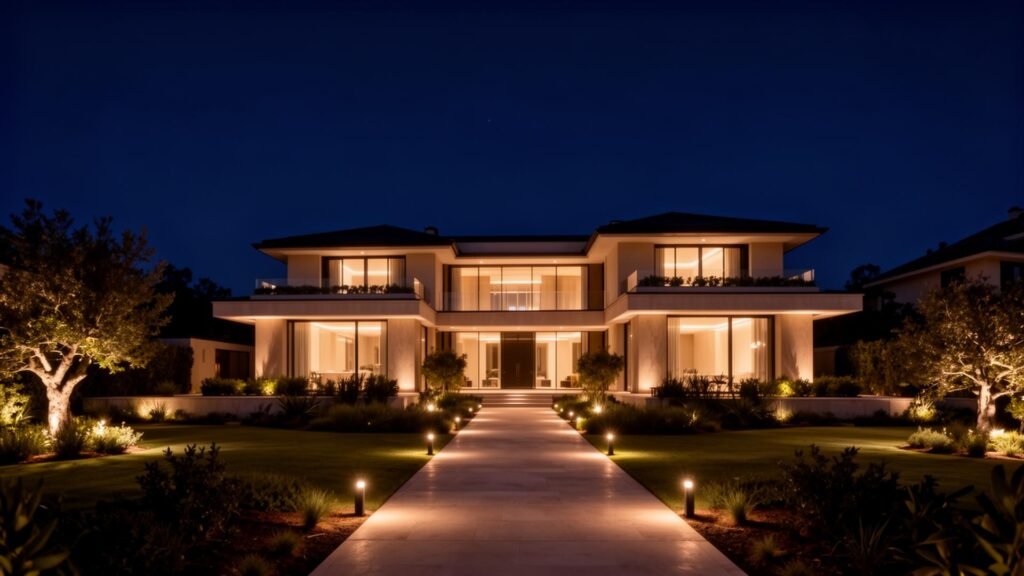
A lot of homes today are “automated.”
Very few feel effortless.
That’s the difference between installed systems and engineered systems.
A well-designed smart home doesn’t make you think. It works in the background. Lighting adjusts based on time. Climate responds to your comfort. Security runs silently without constant checking.
You don’t open apps again and again. You don’t manage multiple controls. The system anticipates what you need.
This is where most automation fails — too much control, not enough intelligence.
The goal is not to control your home.
The goal is to reduce the need for control.
What a properly designed system delivers:
- one unified interface instead of multiple apps
• lighting scenes instead of individual switches
• automatic climate adjustments
• seamless transitions between spaces
• minimal user effort
When done right, automation becomes invisible.
When done wrong, it becomes complicated.
Most people experience automation as a feature.
But it should feel like a natural extension of your lifestyle.
If you still have to manage your home manually, it’s not truly automated.